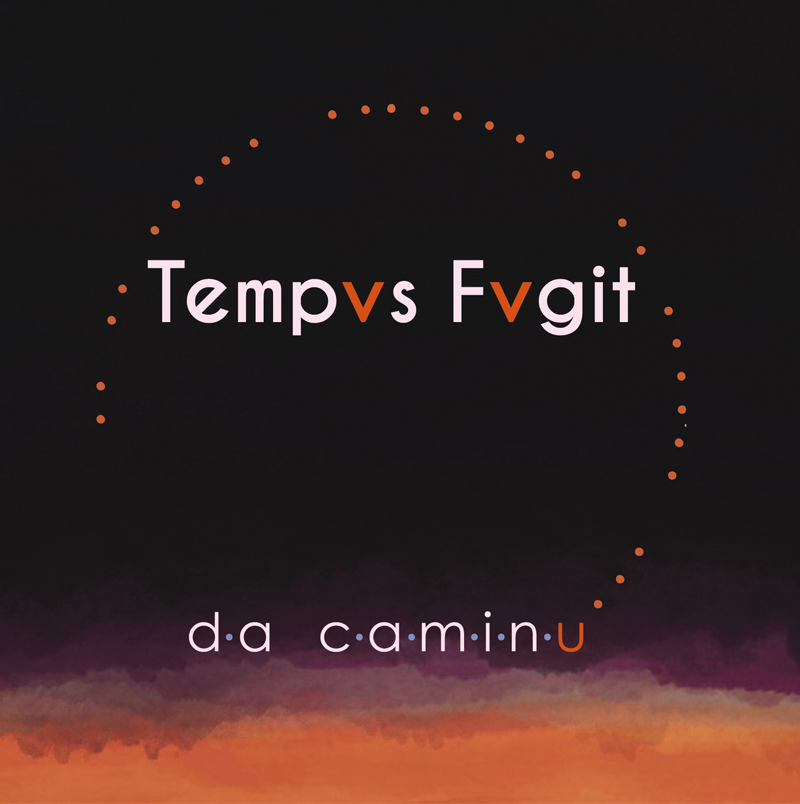
Tempvs Fvgit – Da caminu (Self-released, 2025)
With Da caminu, Corsican vocal ensemble Tempvs Fvgit continue their reimagining of traditional polyphony, bringing it into dialogue with ritual, silence, and contemporary composition. Recorded live in the resonant space of San Ghjisé church in Bastia, the album unfolds as a thirteen-part cycle sung entirely a cappella with no instruments, overdubs, or effects, just the raw, physical presence of the human voice.
Structured in three ritual acts, the work leads the listener through invocation, fracture, suspension, and release. Themes of absence, vengeance, and inner dislocation are not dramatized but embodied through breath, dissonance, and vocal rupture. This is polyphony treated as a living method rather than a fixed style: voices collide, contradict, and echo like an “archaeology of sound” where tradition is not preserved but reactivated.
The group includes Gérard Rossi, Didier Cuenca, Eric Natali, Patrick Vignoli, Sébastien Bonetti, and Pascal Renucci and carve a path that is rooted yet uncompromisingly contemporary. Their music feels less like a concert than a ritual performance, confronting the sacred and profane while refusing nostalgia.

The recording itself is of such clarity and presence that one feels, using headphones or allowing the sound to fill a room, as though the very walls of the Bastia church had been transported into one’s dwelling. The voices, unaccompanied and unadorned, rise and fall with a force that is at once tender and terrible, and they pierce the heart in that quiet, undeniable manner in which only truth can wound. It is the kind of music one returns to again and again, not out of habit, but because it speaks anew each time, as a beloved book or a remembered prayer reveals different meanings with each reading.
Da caminu has already drawn international attention, with airplay on more than 200 radio programs worldwide and entry into the Transglobal World Music Chart. It is a stark, moving album that affirms Tempvs Fvgit as one of the most adventurous voices in today’s world music landscape: guardians of Corsican heritage who transform tradition into something unsettling, urgent, and utterly alive.
My favorite tracks: ‘Vindicatio 3″ & “Ultimu Spollu.”
Buy Da caminu.

Author: Daryana Antipova
Daryana Antipova has been working as a journalist since 2001 and is involved in radio (Scythian horn program), print (The Moscow News, Russia Beyond the Headlines, Fanograf) and online media related to world music. Drummer in Vedan Kolod folk band, director at Scythian horn agency and label. Her main focus is on traditional folk music, Siberian music and Russian world music in general.