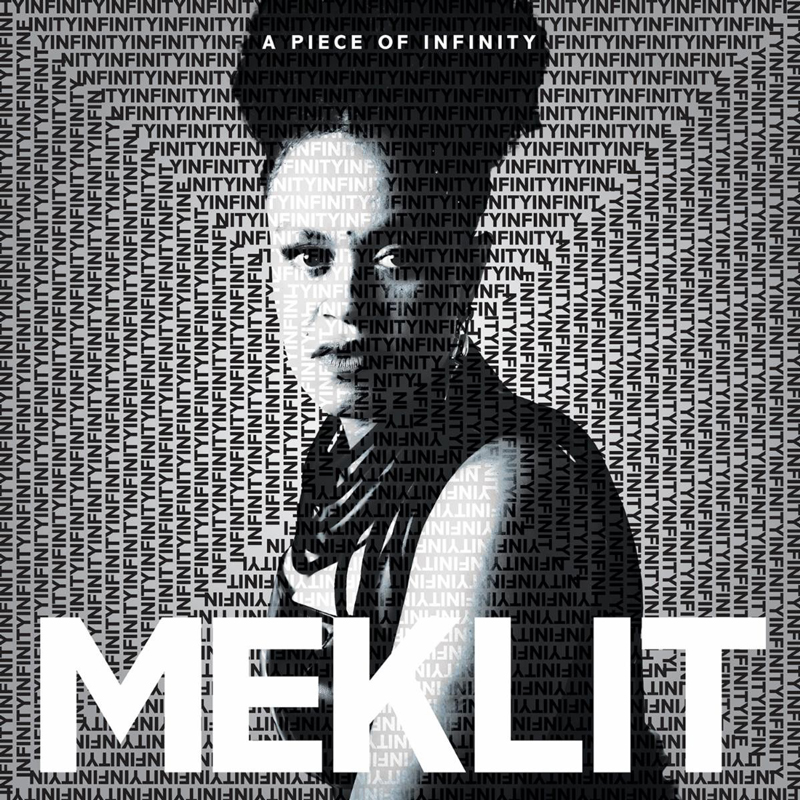
Meklit – A Piece of Infinity (Smithsonian Folkways, 2025)
Meklit will release A Piece of Infinity, her first album for Smithsonian Folkways, on September 26. The Addis Ababa–born, San Francisco–based vocalist, songwriter, composer, and cultural strategist has collaborated with Andrew Bird and the Preservation Hall Jazz Band. She also lectures as a visiting artist at Stanford University, and hosts Movement, a PRX/The World podcast on migration and music.
The album centers on Ethiopian folk repertoire reimagined for the present. Each of its nine tracks draws from traditional sources through research, translation, recomposition, and careful juxtaposition. The opener, “Ambassel,” leans into sirring Ethio-jazz, while other pieces move toward a more accessible synthesizer and vocal-driven indie rock.
The instrumentation used includes harp and Ethiopian krar (a six-string bowl-shaped lyre), among others. Meklit sings in various Ethiopian languages, such as Kembata, Amharic, and Oromo, with two songs in English. This way, she, presents a focused cross-section of Ethiopia’s musical breadth without claiming to represent a culture of more than 80 languages and a vast diaspora.
The project also functions as cultural advocacy. Meklit presents tradition as living practice affected by migration, a perspective reflected in Movement’s guiding question: “What do global movements of people sound like?”
Guest artists include harpist Brandee Younger and flutist/saxophonist Camille Thurma. Two tracks, Geefata” and “Stars in a Wide Field” were developed with her father. “Geefata” is inspired by communal celebration songs while “Stars in a Wide Field,” with original lyrics influenced by translated Kembata children’s riddles and Meklit’s dreams, features a line inspired by American folk musician-activist Dr. Bernice Johnson Reagon.
Women’s musical traditions receive particular attention, including on “Tizita.”
The recording took place at the San Francisco Bay Area’s Women’s Audio Mission.
The album also reflects Meklit’s recent chapter as a mother to a six-year-old son.
Funding came from the Smithsonian American Women’s History Initiative, with initial conception supported by the Creative Work Fund.
Buy A Piece of Infinity.

Author: Madison Quinn
