
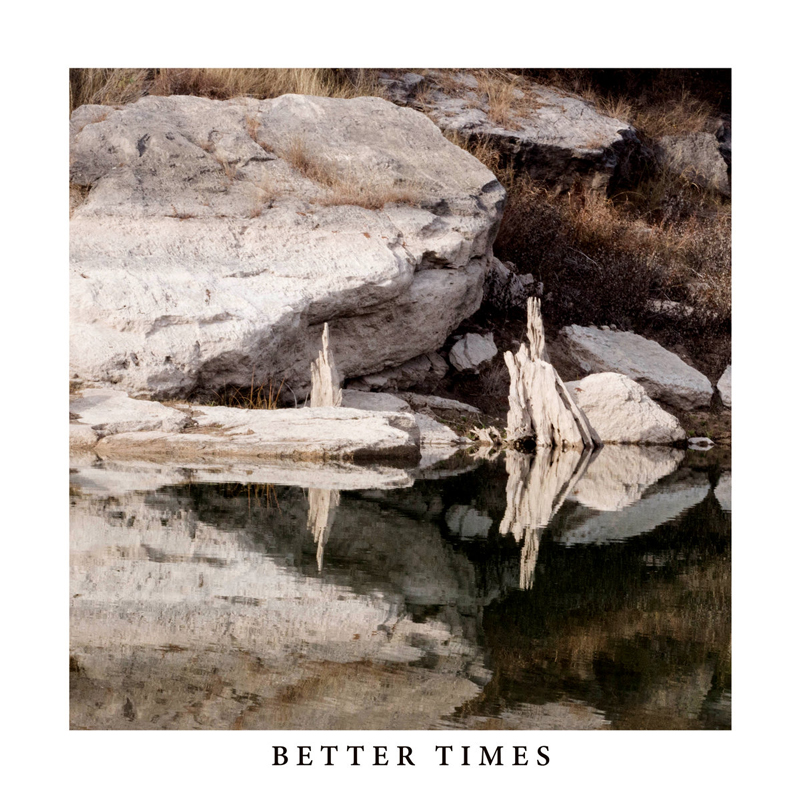
Matthew Payne — Better Times (self-released, 2026)
Austin, Texas songwriter Matthew Payne recorded his first full-length album, Better Times, in a stripped-back, warm, acoustic setting, Better Times pulls out inspiration from two highly influential albums, Red Headed Stranger by Willie Nelson and Nebraska by Bruce Springsteen. Throughout the album, Payne focuses on character-driven storytelling, with evocative songs that bring into focus people confronting personal challenges and searching for a path forward.
The album combines a wide rang of American roots music, from Appalachian influences to the Texas singer-songwriter tradition, assimilating elements of acoustic country, blues, and Americana. Notably, Payne recorded the material shortly after writing it in an effort to preserve the immediacy of the performances.
The sessions featured bassist Kevin Smith, known for work with Willie Nelson and Brennen Leigh, alongside pedal steel and resonator player Marty Muse, whose credits include work with Robert Earl Keen. J.M. Stevens contributed harmony vocals and percussion and also co-produced, engineered, mixed, and mastered the project. The album was recorded live, mixed through the console, and transferred to tape at East Austin Recording.
Several tracks paint a picture of Payne’s personal experiences and observations. The title track, “Better Times,” examines the emotional demands of caring for an aging parent with dementia while raising a young son. “Heartsick” reflects on the transformation of Payne’s hometown, Dripping Springs, and the tension between memory and change. Meanwhile, “Down in the Valley” chronicles a memorable road trip from Austin to New Mexico’s Sandia Mountains.
Elsewhere, “Adilena” and “Terlingua” evoke the landscapes of West Texas through lyrics focused on love and longing. “Silhouette” and “Kid” combine bluegrass, country, and blues influences, with harmonica serving a prominent melodic role.

Author: Ryan Emmert
